Why Your Next Project Needs a Distressed Vintage Shadow Typeface with Worn Texture Effect
If your designs feel flat and lack the gritty authenticity that grabs attention, a distressed vintage shadow typeface with worn texture effect is the missing piece. These fonts carry decades of visual storytelling in every chipped edge and faded shadow, instantly adding depth that modern clean fonts simply cannot replicate.
Designers, brand owners, and content creators turn to this style when their work demands character over perfection. Think concert posters, craft brewery labels, heritage branding, and editorial layouts that need to feel handcrafted rather than manufactured.
What Exactly Defines a Distressed Vintage Shadow Typeface?
A distressed vintage shadow typeface combines three distinct layers: the base letterform, a shadow offset that creates dimensional depth, and a worn texture overlay that simulates age and wear. The "distressed" element refers to imperfections roughened edges, ink inconsistencies, and surface erosion that mimic letterpress or screen-printing artifacts.
The shadow component is not decorative fluff. It provides visual hierarchy and anchoring, making text appear as though it was stamped onto the surface rather than floating above it. When combined with a worn texture effect, the result is typography that feels tactile and lived-in.
How to Choose the Right Style for Your Specific Project
Not every distressed vintage shadow typeface works for every situation. Your choice should align with several key factors:
Brand personality: A rugged outdoor brand benefits from heavier distressing and deeper shadows, while an artisan bakery may need subtler texture with softer edges.
Medium of use: Screen-based designs tolerate finer texture details, but print projects require bolder distressing to survive reproduction at smaller scales.
Target audience age and context: Younger demographics associate worn textures with authenticity and counter-culture. Established audiences may read the same treatment as nostalgic or premium.
Event or campaign tone: Music festivals, vintage markets, and seasonal campaigns naturally pair with heavy distressing. Corporate reports and medical materials do not.
Matching Texture Intensity to Your Needs
Heavy distressing communicates rebellion, heritage, and rawness. Light distressing suggests aged elegance. Choose based on the emotional response your audience needs to feel, not on personal preference alone.
Technical Tips to Get the Worn Texture Effect Right
Several common mistakes undermine the effectiveness of distressed vintage shadow typefaces:
Over-distressing at small sizes: Textures that look stunning at 72pt become illegible blobs at 14pt. Always test at your target output size.
Ignoring shadow direction consistency: Every shadow in your layout must follow a single light source. Mixed directions destroy realism instantly.
Using pure black for shadows: Shadows in nature are never true black. Shift your shadow color toward a dark warm or cool tone that complements the base color.
Skipping contrast checks: Worn textures reduce legibility by design. Verify your text passes readability standards against its background, especially for body copy.
Adjusting at Home with Basic Tools
In Adobe Illustrator or Photoshop, apply a subtle grain filter over your shadow layer and use a roughen effect on paths to simulate edge wear. Free alternatives like GIMP and Inkscape offer similar capabilities through displacement maps and noise layers. The key is restraint build texture gradually in separate layers so you can control intensity independently.
Your Quick Checklist Before Finalizing
Does the distressing level match the brand tone and audience expectations?
Is the shadow direction consistent across all typographic elements?
Does the text remain legible at the smallest intended size?
Have you tested the worn texture effect in both digital and print previews?
Is the texture applied on a separate, non-destructive layer for future adjustments?
A distressed vintage shadow typeface with worn texture effect is a design tool, not a shortcut. Used with intention and technical discipline, it transforms ordinary layouts into compositions with genuine visual weight and historical resonance.
 Retro Shadow Typography Fonts for Vintage Branding Projects
 Best Vintage Shadow Fonts for Apparel and Merchandise
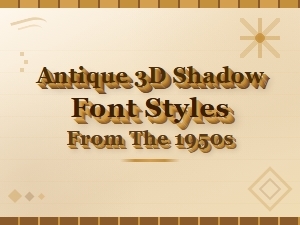 Antique 3d Shadow Font Styles for Vintage Designs
 Victorian Era Shadow Lettering for Wedding Invitations
 Best Bold Shadow Fonts for Branding That Stand Out
 Free Retro Shadow Fonts for Branding